
The Scottsdale Desert Is Awash in Design
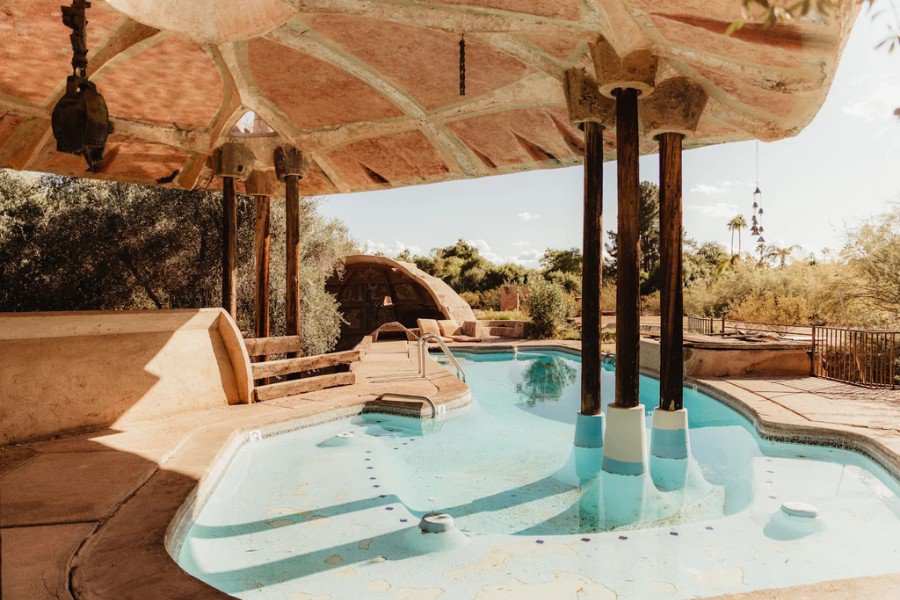 Utopian desert living. Photo courtesy of Cosanti.
The slogan, “The West’s Most Western Town,” for Scottsdale, Arizona, has helped the desert destination craft an identity that attracts artists, architects, and creatives to it — despite being one of America’s youngest cities. With a dry, expansive landscape built upon natural, open sight lines, the eye can travel beyond the edges of Camelback Mountain, beyond the saguaro, and maybe even beyond that.
Artists, Architects, and Arcosanti, Oh My
Architects and artists have long been drawn to the physical space in Scottsdale to plan and act upon their visions. Frank Lloyd Wright’s Taliesin West, a UNESCO site as of 2019 and a Southwest counterpart to his Wisconsin HQ, consists of a laboratory, studio, and living area that showcases his famous “form and function are one” mantra in every nook and cranny, indoors and out. The American icon used Taliesin West as a seasonal camp for his fellowship during the harsh Midwestern winters, and you can get a real sense of it all if you take part in a self-guided audio tour. Download the museum's app for the narrated backstory and intricate details for the large site.
Arcosanti and Cosanti are also examples of an architect’s creative refuge. Paolo Soleri came to the U.S. from Italy to study under Wright before conceiving, in 1969, a self-sufficient “arcology” — his term for architectural ecology. While Wright favored space and sprawl, Soleri built for density and connection. Today, his unfinished sites are living experiments in urban design; guided tours dive deep into Soleri’s methodology and the Cosanti community, his drawing studio, craftwork structures, ceramic workshop, and the bronze foundry where, weather-permitting, you’ll watch in awe as 250-plus pounds of molten iron are poured into a Cosanti bell cast by highly trained apprentices.
The Scottsdale Contemporary Museum Art (SMoCA) is approachable in size and provides some indoor relief from the heat. Here, you’ll find Knight Rise, by James Turrell (a celebrated ‘Zoni, as locals like to call themselves). The work comprises a “skyscape” installation that’s ideal at sunset, when optimal color drama ensues.
I’m almost hesitant to mention Cattle Track Arts Compound, as it currently flies under the radar despite its accumulated eleven-acre enclave. But stopping by this collaborative, residential studio incubator for artists makes for an inspiring activity and gives a true taste of local spirit. Schedule your tour with Mark McDowell, a man of many passions (including making music with Neil Young) and boundless energy. He’s the real deal and loves to share his slice of paradise with visitors.
Old Town En Plein Air Art
Old Town Scottsdale’s hitching post history dates back to 1888 when a U.S. Army Chaplain bought 640 acres of Sonoran Desert farmland for $3.50 an acre. Now, it’s a walkable downtown that hosts over 45 works from the city’s Public Art Program including The Doors, by Donald Lipski, a trio of 28-foot-tall mirrored panels invoking a kaleidoscope's interior. Paolo Soleri’s functional Soleri Bridge is composed of two steel-clad 64-foot-high pylons that create a shaft of light marking the hourly time. There’s also the city’s first piece of public art, Windows to the West, by Louise Nevelson, which is a rectangular steel puzzle of half-circles and S-shaped pieces framed by a reflecting pool of fountains. A haven for gallerists, there’s more than 50 in Old Town alone. Every Thursday year-round, ArtWalk invites them to stay open late for visitors, a long-standing tradition that dates back to 1975.
Canal Convergence takes place over ten nights in November and brings together art and light installations, hands-on activities, and live performances along the canal. If you’d rather get your steps in under some high sun hours, there’s ample amount of walking art tours like a 90-minute one with the former mayor Sam Campana, or the Ultimate Art and Cultural Tour with Ace Bailey, a true ‘Zoni who can dish on the details and drama of the city.
The Old Adobe Mission, the first Catholic parish and oldest standing church in town, is worth viewing for its Spanish Colonial architecture from 1933, built with 14,000 adobe blocks made on-site and handcrafted stained-glass windows. Literally next door, a different kind of mission takes away hunger pains — aptly named The Mission — a perfect spot for a mid-day break or “guac-tail hour.” The table-side made guacamole is a must, but the Tecate-battered mahi mahi tacos and mezcal-based “Mission Sour” left a real “holy moly!” memory.
Do an Entire District
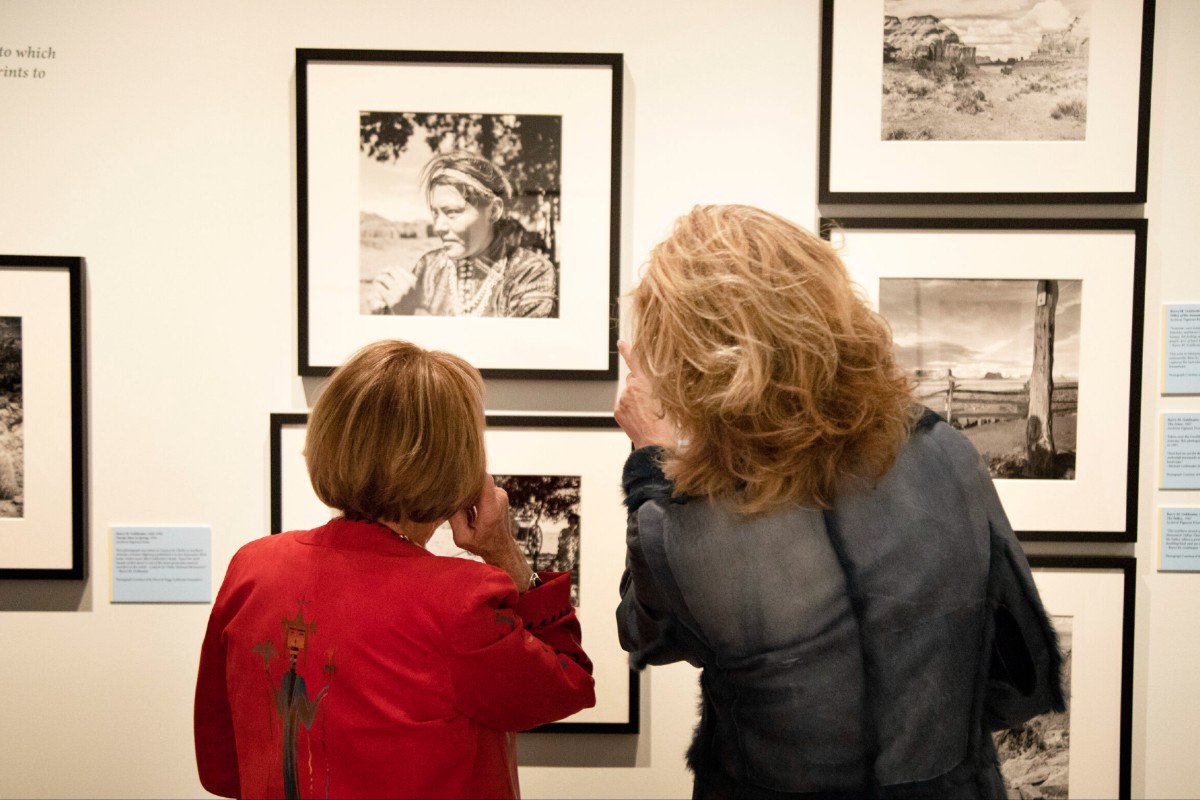
While working your way through Old Town and its eight districts, don’t miss an entire one devoted to the arts (the same one that hosts the ArtWalk on Thursdays) where Museum of the West, a non-profit’s collection, showcases art and culture across North America’s west, including exhibits with miniatures where you’ll need a magnifying glass to view them. One block away is Scottsdale Artists’ School, where you can attend a lecture to dive deep into various movements and masterworks. If you’re wondering how to involve the kids, Wonderspaces, located inside the Fashion Square Mall, has rotating, immersive, interactive installations that are great for those with shorter attention spans.
Handcrafted Souvenirs to Hand Carry Home
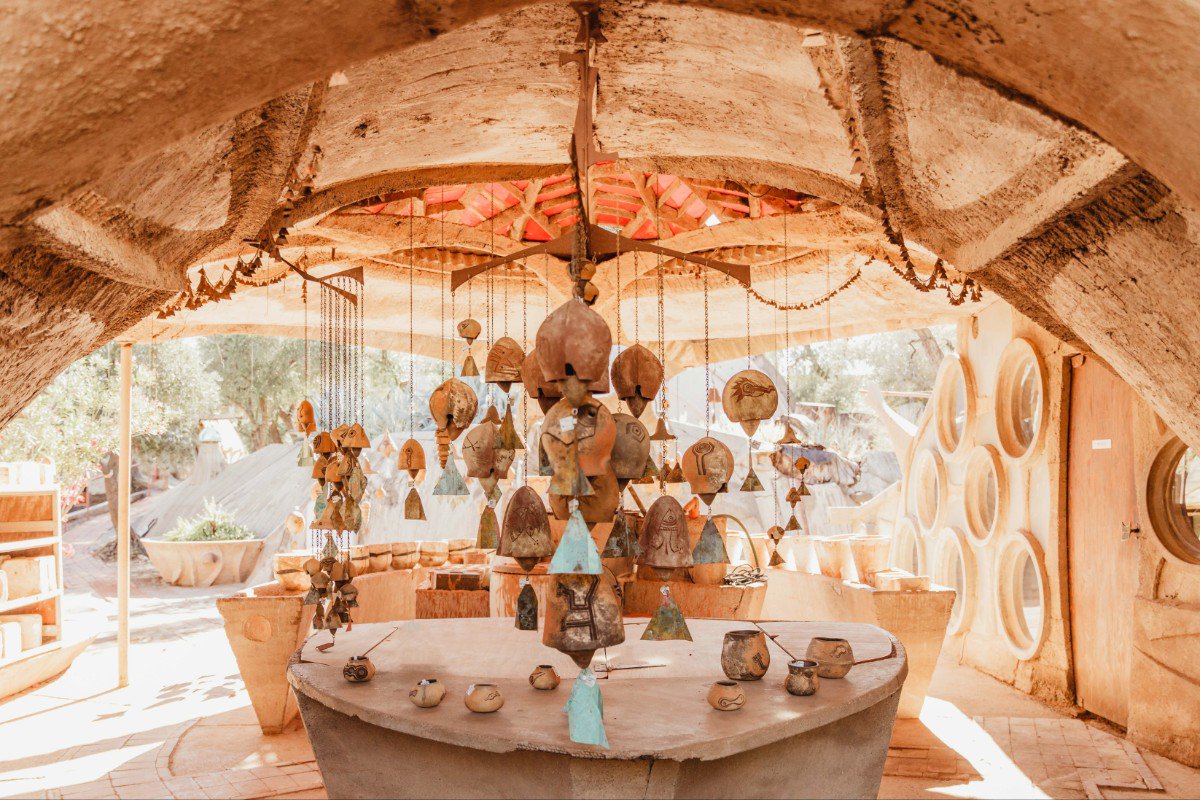
Shopping Scottsdale can skew more toward ubiquitous local-branded apparel, but if you know where to look, you can find plenty of handmade souvenirs. Cosanti’s shop offers one-of-a-kind ceramic ornaments and wind chimes made of bronze bells. While touring Cattle Track, you’re more than encouraged to purchase directly from the artists. I sprung for a mixed media piece of acrylic, ink, and gold leaf that now proudly hangs in my apartment. The Native Art Market sells directly to consumers and is 100-percent Indigenous-owned and operated. For a few weekends each month and during the high season of November through March, you can nibble on fry bread and bring home a desert memento like traditional piñon coffee or a beaded bolo.
Hotels to Beat the (Dry) Heat
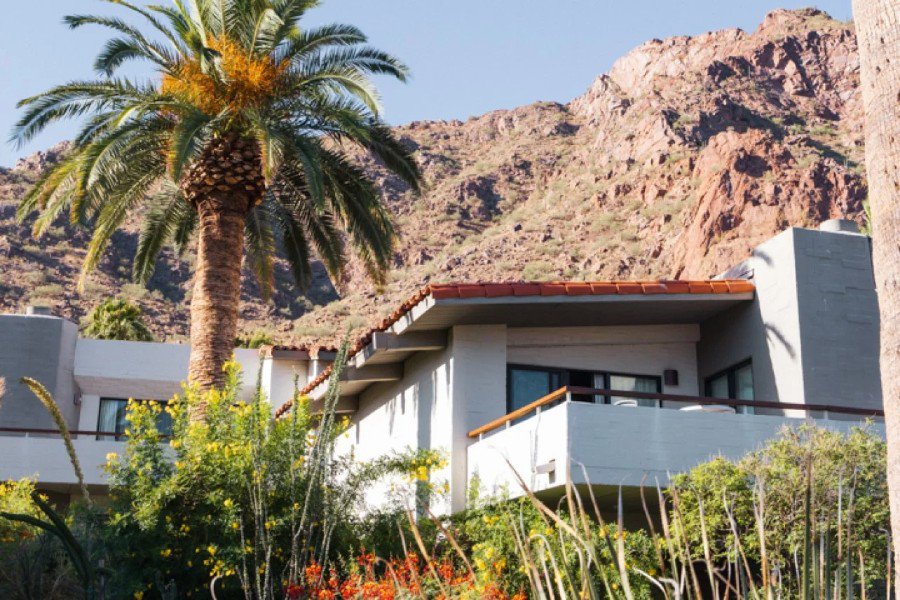
On the splurge-worthy end of hotel offerings, Sanctuary Camelback Mountain sits at the base of Scottsdale’s most iconic peak, on 53 acres of Sonoran Desert. Many of the mid-century styled rooms come with unparalleled wide-lens landscape views and practically every corner — from the dining area, to the gym, to the pool — features painterly desert mountain backdrops. The Paradise Valley Racquet Club, as it used to be known, was once a desert oasis for Hollywood hotshots in the mid-20th century looking for seclusion and tennis panache. These days, Sanctuary has lowered the nets and made way for trendy pickleball enthusiasts but still stays true to its luxury side with a standout dining experience at Elements, where wagyu beef nigiri topped with scallion, gold flake, and caviar arrives on dry ice.
In the mid-range price to match its mid-century appeal, Hotel Valley Ho gives the feeling of stepping back in time, when movie stars and baseball players booked their rooms and drank martinis in the retro-furturistic space. If it weren’t for the pool party scene and accompanying contemporary playlists, you’d almost forget the current era. Opened in 1956, Edward Varney, a Modernist contemporary architect peer of Frank Lloyd Wright’s, made sure to procure significant investment for design details like an angled bannister and a cantilevered second floor walkway. Brown tones in the historic lobby mix with poppy orange furniture and accent curtains. A soft coral and seafoam palette dominates the bedroom interiors. Tower rooms are part of a new building, and the hotel maintains original, central, and pool-adjacent rooms with patio chairs. At on-site restaurant ZuZu, play “Chef Roulette” and opt for six courses chosen by the head chef. If the “Brookie” doesn’t make it to your table, be sure to tell the server you’d like to add it on — a brownie-cookie cast iron dessert certainly takes the cake.